Piece-Dyed Fabric: Transforming Greige Cloth Through Dyeing
Meta Description: Piece-dyed fabric is a greige (undyed) cloth that undergoes dyeing after weaving or knitting. Learn how this process enhances color versatility and efficiency in textile production.
What is Piece-Dyed Fabric?
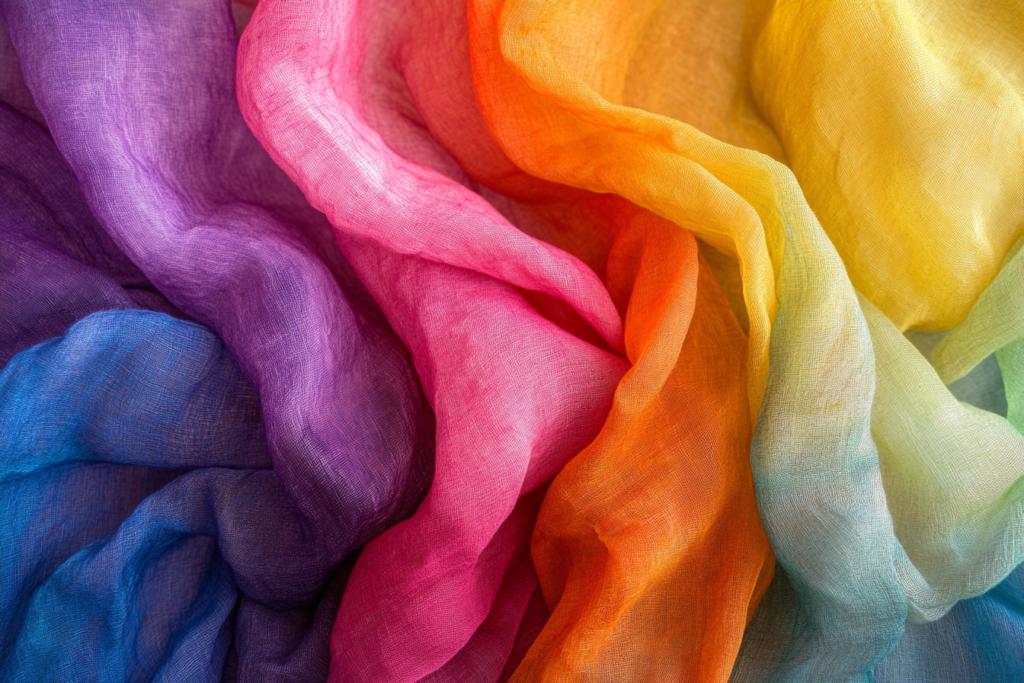
Piece-dyed fabric refers to greige (unfinished, undyed) cloth that is dyed after it has been woven or knitted. This process allows manufacturers to produce large amounts of fabric in a neutral state and dye them later based on market demand, ensuring greater color flexibility and efficiency in textile production.
This method is widely used for solid-colored garments, home textiles, and commercial fabrics, offering cost-effective and consistent color results.
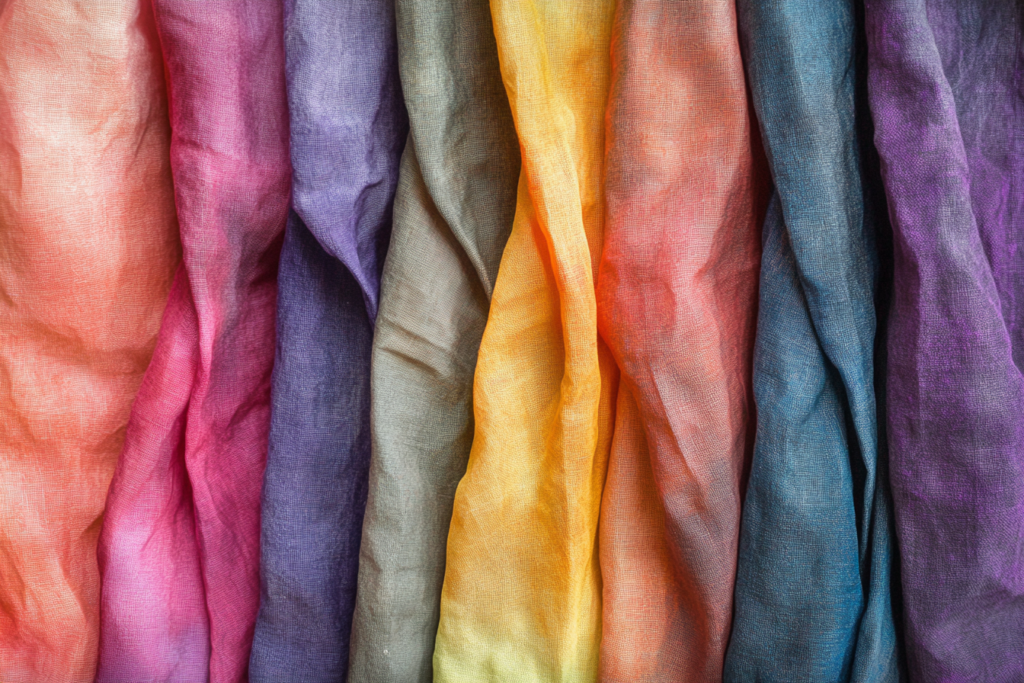
Key Features of Piece-Dyed Fabric
✔ Dyed After Weaving or Knitting – Fabric starts as greige cloth and is dyed in bulk.
✔ Offers Greater Color Flexibility – Allows manufacturers to adapt to market trends.
✔ More Cost-Effective Than Fiber or Yarn Dyeing – Saves time and production costs.
✔ Ensures Uniform Color Distribution – Produces consistent, even fabric tones.
✔ Common in Fashion, Home Textiles & Industrial Use – Found in clothing, curtains, and upholstery fabrics.
Piece Dyeing vs. Other Fabric Dyeing Methods
| Dyeing Type | When Dyeing Occurs | Best For | Color Consistency | Common Fabrics |
|---|---|---|---|---|
| Piece Dyeing | After fabric is woven/knitted | Fast production, solid colors | Uniform | Cotton, polyester, blends |
| Fiber Dyeing | Before yarn is spun | High-end textiles, deep color penetration | Very consistent | Wool, silk, specialty fibers |
| Yarn Dyeing | Before fabric is woven/knitted | Striped, plaid, or multicolored patterns | Precise but complex | Denim, shirting fabrics |
| Garment Dyeing | After the garment is sewn | Small batch production, vintage washes | Slight variations | T-shirts, casualwear |
💡 Tip: Piece dyeing is ideal for fast-moving fashion and large-scale fabric production, whereas yarn or fiber dyeing is better for multicolored or luxury fabrics.
Types of Piece Dyeing Techniques
1. Beck Dyeing (Rope Dyeing)
- Fabric is continuously circulated in a dye bath.
- Best for stretchy, delicate, or lightweight fabrics.
2. Jig Dyeing
- Fabric is stretched between two rollers and passed through dye baths.
- Ideal for woven fabrics that require tension control.
3. Pad Dyeing
- Fabric is passed through a dye solution and squeezed with rollers.
- Used for uniform, solid-color textiles.
4. Jet Dyeing
- Fabric is moved in a jet of dye liquid for even coloring.
- Suitable for synthetic and blended fabrics.
💡 Tip: Different dyeing techniques are chosen based on fabric type, color intensity, and production scale.
Where is Piece-Dyed Fabric Used?
📌 Apparel & Fashion Textiles – T-shirts, dresses, trousers, uniforms.
📌 Home Furnishings – Bed linens, curtains, upholstery fabrics.
📌 Athletic & Performance Wear – Sportswear, activewear, and stretch fabrics.
📌 Commercial & Industrial Textiles – Automotive textiles, medical fabrics, and workwear.
Advantages of Piece-Dyeing in Fabric Production
✔ Fast & Cost-Effective – Ideal for mass production with quick color adjustments.
✔ Allows Color Customization – Fabric can be dyed based on demand rather than pre-dyed yarn.
✔ Ensures Consistent & Even Color – No dye variation across fabric batches.
✔ Reduces Inventory Risks – Greige fabric can be stored and dyed as needed.
✔ Compatible with Multiple Fabric Types – Works on cotton, polyester, wool, and blends.
Conclusion: Why Piece-Dyed Fabric is Essential in Textile Manufacturing
Piece-dyeing is a versatile and cost-efficient method that allows manufacturers to quickly respond to fashion trends, reduce fabric waste, and maintain high-quality, evenly dyed textiles.
By starting with greige fabric and applying color post-production, brands can adapt to market demands and offer a broad range of color options without overstocking pre-dyed materials.
For large-scale fabric production and fashion brands, piece-dyeing remains a fundamental technique for achieving consistency, efficiency, and flexibility in textile manufacturing.